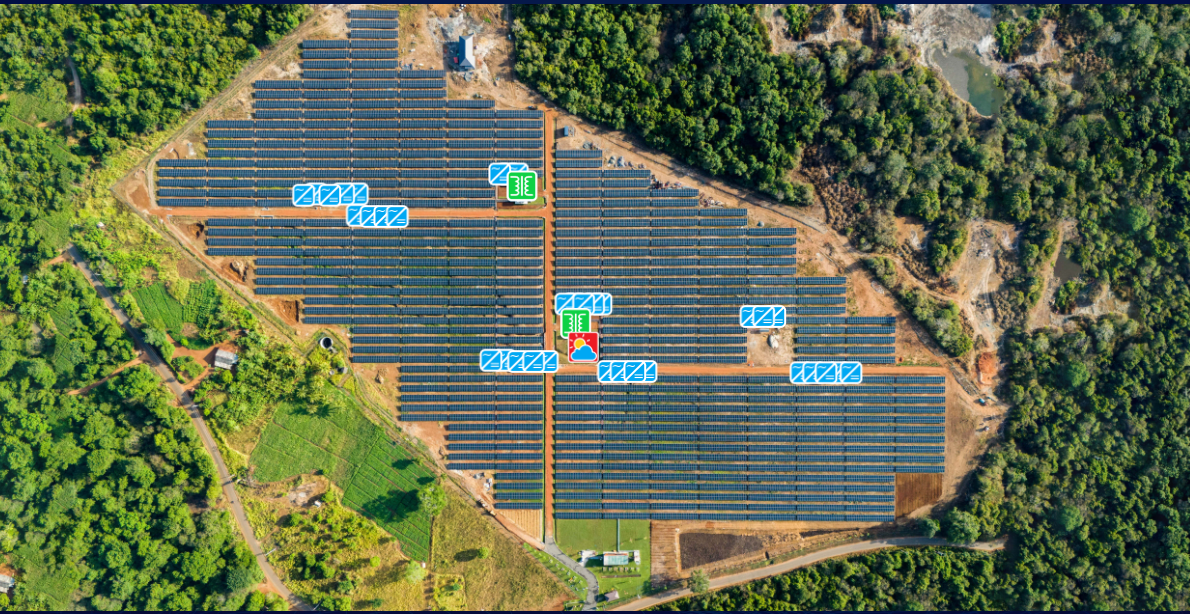
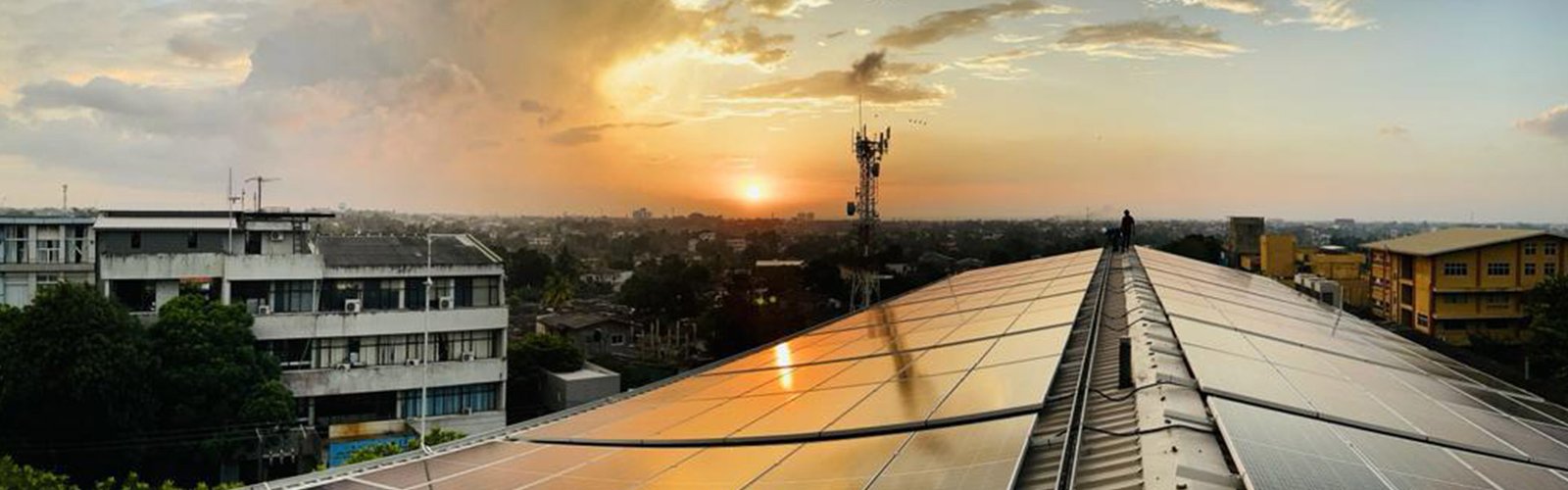
The University of Moratuwa, in collaboration with Chemonics International and SLAM Power Solutions, launched a groundbreaking Renewable Energy Microgrid Pilot Project — a first-of-its-kind smart energy system in Sri Lanka. With funding from the Asian Development Bank and support from international and local stakeholders, this initiative brings together renewable energy, real-time data dashboards, and intelligent control systems to create a sustainable energy ecosystem.
As part of this effort, We are proud to contribute to the Demand Response Project implemented within the university microgrid. This project is designed to address a critical issue facing Sri Lanka and many other developing nations: how to balance growing energy demand with limited grid infrastructure and intermittent renewable supply.
Demand Optimization Strategy: Our Role in Smarter Grids
We have played a key role in deploying a cutting-edge demand optimization solution at the university. The goal: enhance energy efficiency and enable smarter energy decisions through real-time monitoring systems and automated control.
Key Components of Our Implementation:
- Automation and Control of Split-Type Air Conditioners
- Smart Power Demand Control & Load Shifting
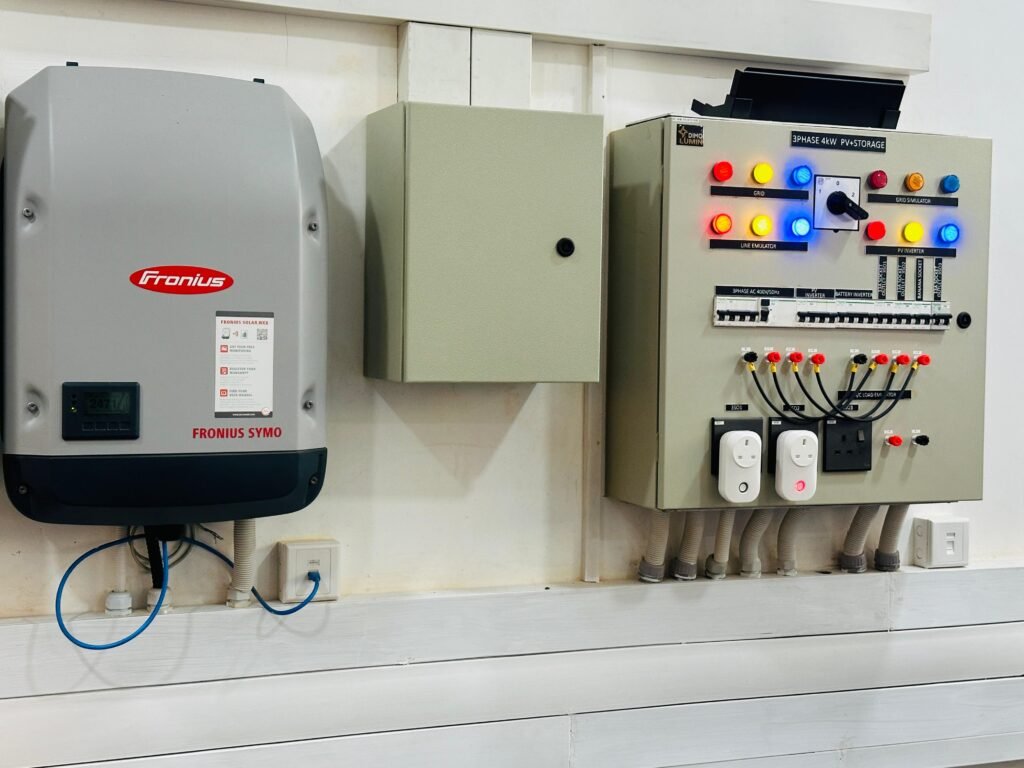
- Supply & Integration of Smart Plugs
- Technical Architecture Deployment
Microgrid Architecture Overview
The system is built on a hybrid energy model incorporating:
- Solar PV (350 kW)
- Battery Energy Storage (400 kWh)
- Diesel Backup Generator (630 kVA)
- AI-driven Energy Monitoring & Automation Platform
This multi-source energy model ensures uninterrupted power while optimizing the use of renewables. Our platform manages the data flow between sensors, smart devices, and dashboards, providing full transparency and automated control.
In countries like Sri Lanka, microgrids are more than just an energy trend — they’re a critical innovation for energy resilience and climate change adaptation. With growing pressure on national grids and increasing climate risks, localized energy systems offer:
- Greater energy security in rural or disaster-prone areas
- Easier integration of renewable energy sources
- Reduced transmission losses and improved grid reliability
- Opportunity for decentralized energy management using smart data
Visual Highlights
The Role of Demand Response in Smart Energy
Demand Response (DR) is essential for ensuring real-time balance between electricity supply and demand. Instead of expanding costly generation capacity, DR enables smarter load management by:
- Flattening peak loads and reducing blackout risks
- Making better use of renewable generation when it’s most available
- Providing cost savings for both utilities and consumers
- Empowering users with data-driven energy behavior
The Future: Scaling Microgrids
We believe this project is just the beginning.
Our Framework is built to support scalable, modular microgrid and demand response projects across Sri Lanka and beyond. With proven success in integrating hardware, IoT monitoring, renewable energy sources, and intelligent control systems, we’re excited to partner with:
- Universities for research and pilot projects
- Utilities and Industries for demand-side optimization
- Government and Donors to accelerate the energy transition
Together, we can shape a sustainable, data-driven, and resilient energy future — one microgrid at a time.
-
How We Built a Real-Time IoT Platform for Sri Lanka’s Solar Power Plants
Introduction As Sri Lanka continues expanding its renewable...
-
Real-Time Renewable Energy Monitoring: How THINGSNODE Powers WindForce’s 10MW Solar Plant.
About WindForce PLCWindForce PLC is Sri Lanka’s leading...
-
Demand response pilot project for the microgrid at University of Moratuwa.
The University of Moratuwa, in collaboration with Chemonics...